
BrainPortal™ Carrier Program
Where a drug cannot reach the brain on its own, a BrainPortal™ carrier gives it a way in.
BrainPortal™ carriers are NucleoTech’s proprietary brain shuttle proteins: miniproteins and VHH nanobodies engineered to attach to therapeutic payloads and ferry them across the blood-brain barrier safely, non-invasively, and at therapeutic concentrations. Brain shuttles are a validated approach to delivering antibody and oligonucleotide therapeutics to the CNS, and BrainPortal™ carriers represent a next-generation advancement in this proven strategy.
NucleoTech’s Carrier Program encompasses a growing portfolio of validated BrainPortal™ carriers deployed across two channels: our internal Therapeutic Pipeline, and licensing partnerships with pharma and biotech companies developing their own CNS programs. Each carrier is discovered and optimized using our proprietary direct in vivo Technology →, the platform that makes next-generation shuttle development possible at a speed and scale the industry has never seen.
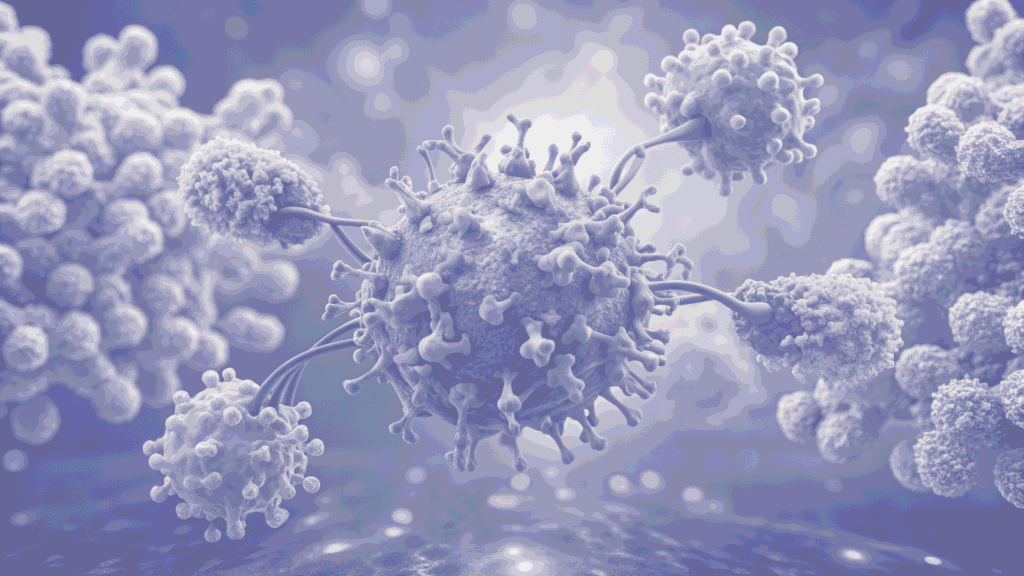
How BrainPortal™ Carriers Cross the Blood-Brain Barrier
The blood-brain barrier is a sophisticated protective system formed by the specialized cells lining the brain's blood vessels. These cells are held together by tight junctions and actively expel foreign substances, blocking nearly all large-molecule therapeutics from entering the brain. Invasive approaches such as spinal injection or surgical delivery can bypass the barrier, but at significant risk and cost.
A more elegant solution exists within the barrier itself. The brain's endothelial cells use specific surface receptors to transport essential nutrients, iron, amino acids, and others, from the bloodstream into the brain. When a molecule binds to one of these receptors, the cell engulfs it, carries it across, and releases it on the brain side. This process, known as receptor-mediated transcytosis (RMT), is the mechanism BrainPortal™ carriers are designed to exploit.
Pioneered as a therapeutic strategy by the late Prof. William Pardridge, RMT-based delivery has become the leading approach in the field for crossing the BBB without invasive procedures. BrainPortal™ carriers are engineered to bind these receptors with high affinity and specificity, hitching a ride on the brain's own transport machinery to deliver therapeutic payloads precisely where they are needed.
The Evolution of BBB Targets
Not all receptors make equally good gates into the brain. For decades, Transferrin Receptor 1 (TfR1), the receptor responsible for transporting iron, was the field’s dominant target. While effective, TfR1 presents real challenges: iron-carrying proteins in the bloodstream compete for the same receptor, and because TfR1 is expressed on other cell types including red blood cells, therapeutics targeting it can be absorbed or degraded before reaching the brain.

CD98hc, a receptor responsible for amino acid transport, has emerged as a compelling alternative. Recent data suggests CD98hc may provide more stable and sustained drug levels in the brain with fewer systemic side effects, an advance on the classical TfR1 approach. But the field has not exhausted its search. In a landmark study, the late Dr. Danica Stanimirovic identified a functional shuttle using a receptor that was entirely undiscovered at the time, a finding that underscores how much remains to be uncovered.
NucleoTech’s approach is built on this insight. Rather than committing to a single target, our platform systematically explores multiple RMT pathways, identifying the most effective carriers across a broad range of receptors and opening access to transport mechanisms the industry has barely begun to characterize.

NucleoTech's BrainPortal™ Portfolio
NucleoTech’s lead carrier, P28, is a proprietary CD98hc-binding VHH nanobody identified through our direct in vivo screening platform. In head-to-head testing, P28 has demonstrated in vivo brain uptake that exceeds established industry benchmark carriers, making it one of the most promising validated brain shuttle assets in current development.
Beyond P28, NucleoTech is actively building a portfolio of carriers targeting multiple RMT receptors. This multi-target strategy ensures that partners are not dependent on a single mechanism, and that as the field identifies new and better transport pathways, NucleoTech’s platform is positioned to capitalize on them first.
NucleoTech’s carriers are designed to be compatible with multiple therapeutic modalities including monoclonal antibodies and oligonucleotides, and are validated across murine, non-human primate, and human homologue systems, establishing the translational confidence that pharma partners require before committing to a program.
Next-Generation by Design
Most brain shuttle carriers in use today were identified opportunistically, discovered through limited screens or adapted from existing biology. They work, but they were not systematically optimized for brain delivery, and the tools to do that optimization simply did not exist.
NucleoTech's carriers are different. They are identified through true in vivo screening across multiple candidates, optimized through rapid iterative cycles, and designed from the outset using AI-generated protein libraries with defined structural and biophysical constraints. The result is a new generation of carriers built with a level of precision and efficiency that was previously impossible.
At the frontier of this effort is NucleoTech's work on dual-binder shuttle design, carriers that engage two RMT receptors simultaneously. By combining binding specificities, dual-binder shuttles have the potential to achieve superior brain uptake, improved selectivity, and broader applicability across therapeutic programs. This is an area where NucleoTech's platform holds a structural advantage: the combination of AI design and direct in vivo screening is uniquely suited to identify and validate multi-binder architectures at scale.